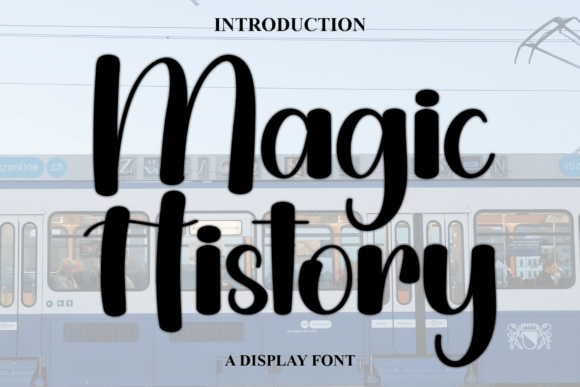
Magic History Font Review
It was a busy morning at the local bakery, and I found myself staring at a stack of packaging boxes that felt a bit flat. The logo was okay, but the text lacked personality. That’s when I remembered I had access to Magic History, a bold handwritten font that feels playful and strong. I decided to give it a try for the new product labels.
What Is Magic History?
Magic History is a premium font that blends the warmth of handwriting with the structure of a well-crafted typeface. Its letters are thick and smooth, giving it a fun and natural look—like writing with a marker. It has a confident yet approachable vibe, making it ideal for small businesses looking to stand out without sacrificing professionalism.
The font’s visual character is both energetic and refined. It works well for headlines, titles, and short phrases where a personal touch is needed. Whether you're designing a logo or adding a decorative element to a menu, Magic History adds a sense of authenticity that can elevate your brand's overall aesthetic.
Real-World Application: A Bakery’s Packaging Upgrade
Using Magic History on the bakery’s packaging made a noticeable difference. The font brought a sense of warmth and creativity that matched the handmade quality of their products. The thick strokes gave the labels a bold presence, while the soft curves added a friendly feel that customers could instantly connect with.
It also helped create consistency across different materials. From the box to the receipt, the same font was used, reinforcing the brand’s identity. This kind of visual cohesion is essential for building trust and recognition among customers.
Where Magic History Shines
Magic History is best suited for display text, headlines, and short phrases. It excels in logos, product labels, packaging design, and social media graphics. For instance, a skincare brand might use it on a label to add a personal, artisanal feel, while a café could apply it to a menu for a more inviting look.
It’s not the best choice for long paragraphs, as its style can become less readable when used extensively. However, when used strategically, it can add visual interest and make a brand more memorable.
Design Tips for Small Business Owners
When using Magic History, keep it simple. Pair it with a clean sans serif font like Arial or Helvetica for body text, ensuring that the overall design remains legible. This contrast helps balance the font’s expressive nature with clarity.
For printed materials like packaging or business cards, test the font at different sizes to ensure it remains readable. On mobile screens or social media thumbnails, smaller versions of the font may need adjustment to maintain visibility.
If you’re working on an online shop banner or Instagram promotion, Magic History can be a great focal point. Just remember to keep the surrounding text minimal so the font doesn’t get lost in the design.
Font Pairing Ideas
Magic History pairs well with other fonts that complement its personality. A modern serif font like Georgia or Garamond can add elegance, while a bold sans serif like Montserrat or Open Sans offers a clean, contemporary contrast.
For a more creative look, pair it with another handwritten or script font, but be careful not to overdo it. One standout font is often enough to make a statement without overwhelming the design.
When choosing a font pairing, consider the tone of your brand. If you're targeting a younger audience, a more casual pairing might work better. For a professional setting, a balanced mix of styles can help maintain credibility while still showing personality.
Final Thoughts on Branding with Magic History
Magic History is a versatile tool for small businesses looking to enhance their brand identity. Its unique blend of playfulness and strength makes it perfect for creating a memorable visual presence. Whether you're updating a menu, redesigning labels, or building a consistent brand image, this font can help you stand out in a crowded market.
As part of the Script Amp collection, Magic History offers a range of styles and file formats, making it easy to integrate into various design projects. Before using it for commercial purposes, check the licensing details to ensure it meets your needs for product packaging, merchandise, or client work.